

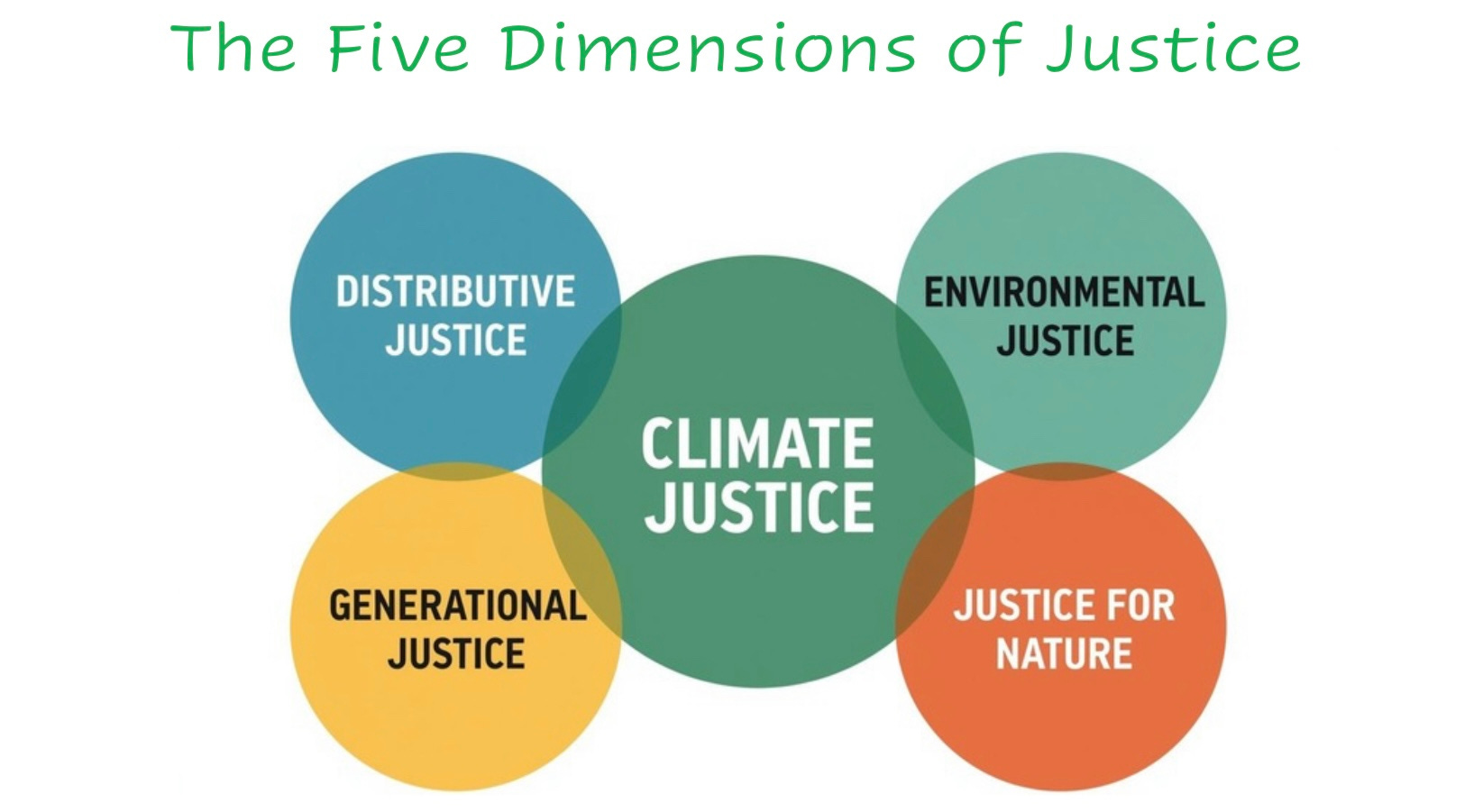
This post is the final one in our Series introducing The Five Dimensions of Climate Justice: generational, distributive, environmental, climate, and justice for nature.
Climate change is the tip of the spear of human actions bringing about a loss of species so profound that our time has come to be called the Anthropocene by many scientists — an epoch in Earth’s history where humans are the dominant cause in a shift from one epoch to another not only involving species loss, but also all of the other climate impacts.
Climate is not the only driver of species loss, meaning there are other human behaviors that also must be addressed, such as habitat loss and degradation, over-exploitation (e.g., commercial fishing, hunting), the introduction of invasive species, and other forms of pollution. But climate has become the largest driver of biodiversity loss.
For those who work to protect nature, their reasons for doing so are distinct for each person. But their motivations for doing so include moral obligations for the rest of nature’s wellbeing.
For most, these are obligations to other persons, both present and future generations. They include a fair distribution of resources and the protection of beautiful, wild, and sacred places for everyone to enjoy.

Increasingly, such moral obligations are being extended to nature itself via the dimensions of justice. While some who work hard to protect nature do not employ the language of justice, the conversation about justice for nature, even though contentious, is important for providing a more robust defense of the rest of nature from humanity.
Once society accepts that an action falls under the provenance of justice, government has a role in creating and maintaining such justice. The claim of justice is not required for government action, but it creates a much firmer foundation.
Justice for nature goes beyond caring for it because of what it can do for humanity, as important and valuable as that may be for many who work to protect it. Justice for nature goes further than this utilitarian, anthropocentric perspective, even as such utilitarianism may be combined with a concern for justice.
Our valuations of nature, whether they lead to exploitation or protection, are highly variable and unstable.
Justice for nature asserts that it isn’t all about us. If nature has a claim for justice, it has a basis for protection independent of our sometimes capricious whims, even if tempered by noblesse oblige.
Some are ready to extend the concept of “rights” to other parts of nature, i.e., they have intrinsic, unalienable rights just like humans do that must be respected and protected. Such rights could hold at the eco-system level, the species level, or at the individual level — i.e., that each particular animal has rights. At whatever level, they are due the opportunity for life and liberty — for becoming who they were meant to be.

Others are motivated to protect the rest of creation as part of their moral obligation because of teachings from their faith tradition. This includes concepts such as the stewardship of nature, the sacredness of nature, or that we should live in balance or harmony with nature because of the interconnectedness of all things.
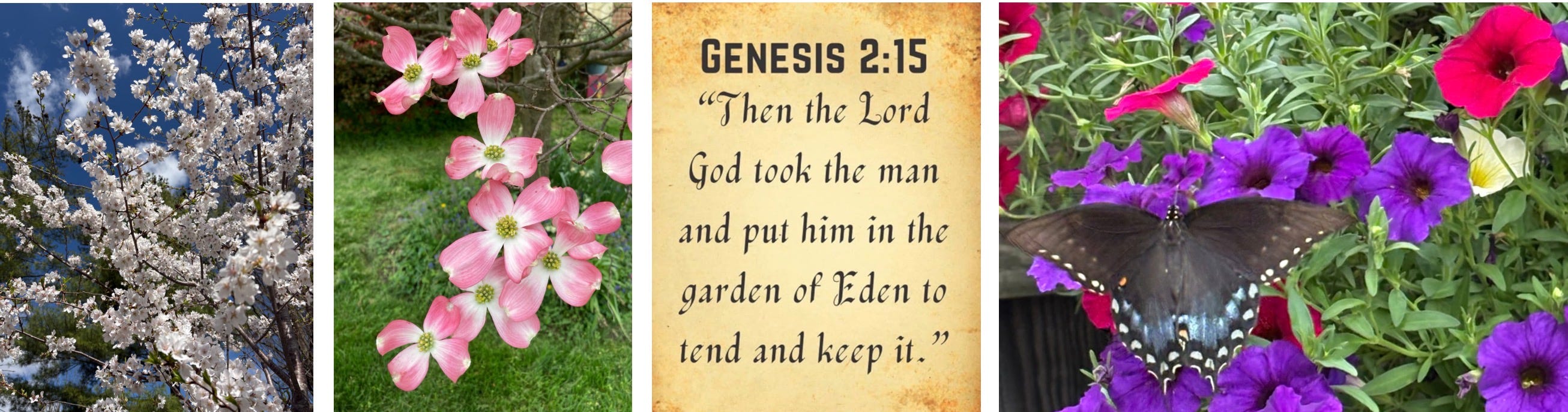
One such belief directly connected to the justice conversation is that the rest of creation has the equivalent of intrinsic value because God cares for it; its ultimate value comes from God’s valuation, not ours. And because of this belief in God’s valuation, the rest of Creation must be respected and protected for its own sake. It must be cared for in a way that allows it to become what God created it to be. That is what it is due, what justice calls for.
Finally, for some the scale of our past destruction, with exponentially greater destruction in the future if we don’t alter course, cries out that it is deeply, profoundly wrong, that it is unjust. This does not arise from philosophical or religious teachings, but rather from what we have done, what we have wrought, and that our present course will bring about a much greater calamity.
It is this unprecedented willful destruction never before seen in the history of the world that has them turning to the words “right” and “wrong” and “just” and “unjust.” Extinguishing a million species from the Earth, as we are on track to do if we don’t change course, is demonstrably, patently wrong on its face, in and of itself. That it is unjust is self-evident. It’s just plain wrong, period. To paraphrase Thomas Jefferson: “We hold this truth to be self-evident: what we are doing to nature is wrong.”

However it is articulated and defended, our moral obligations for nature’s wellbeing are part of the five dimensions of climate justice we in the Climate Movement are striving to achieve working together with the other members of The Catalytic-4.
This is at the core of why we strive to overcome climate change by creating a just and prosperous sustainability for everyone and everything as we make our future come faster and our world more beautiful.

If you are new here, check out our Intro Series and other posts in this Hope & Justice Series. If you like this post, please “like,” comment, and share. And thanks for all you’re doing.
Great piece! My love of nature is why I first joined the climate movement. “However it is articulated and defended, our moral obligations for nature’s wellbeing are part of the five dimensions of climate justice we in the Climate Movement are striving to achieve working together with the other members of The Catalytic-4.
This is at the core of why we strive to overcome climate change by creating a just and prosperous sustainability for everyone and everything as we make our future come faster and our world more beautiful.”