

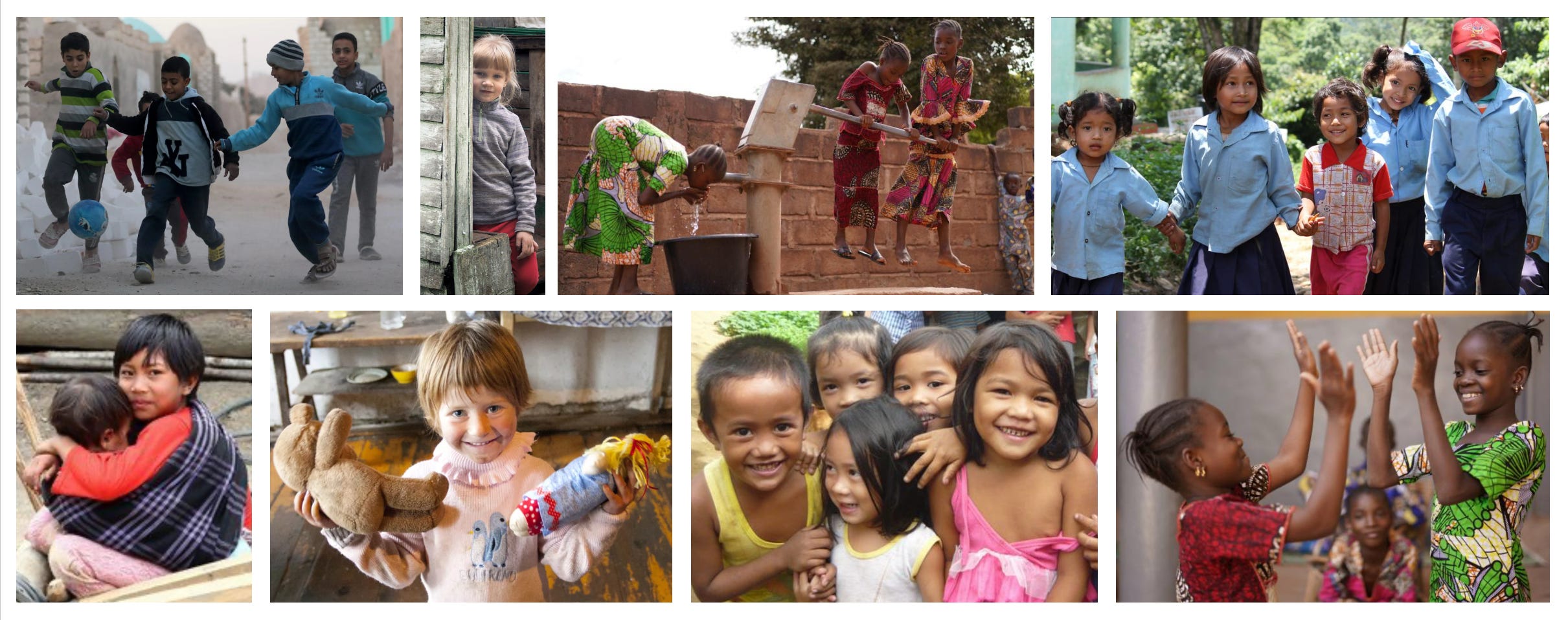
The Who of Distributive Justice
Historically, distributive justice has been concerned with the just treatment of
the poor,
the powerless and less powerful,
the vulnerable,
the marginalized,
and whether both resources and opportunities that help create wellbeing are fairly distributed and available.
But as I explained in my posts on The Who of Justice, in the climate context a fifth group needs to be added:
children and subsequent generations.
These five are distinct but overlapping categories.
The Bible and the Declaration of Independence Have Shaped Our Thinking and Acting
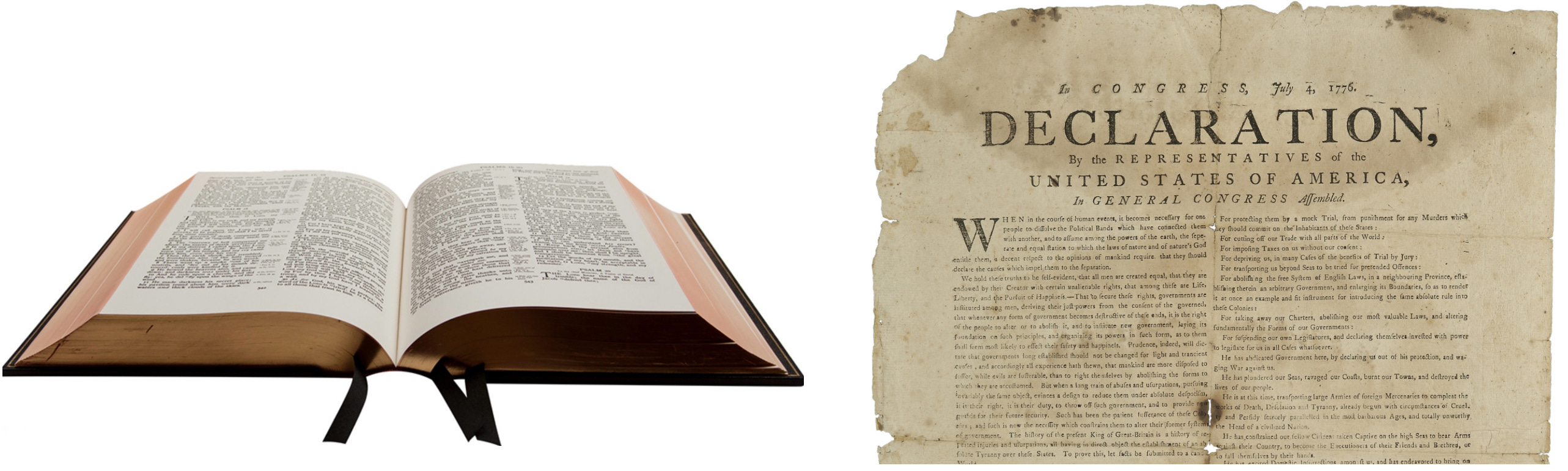
Both the Bible and the US Declaration of Independence have played major parts in common calls for a just distribution of resources and opportunities. The average person probably would not know who philosopher John Rawls was from Adam. But they will have been influenced by the ideas of the Bible and the Declaration. Both have been crucial to the development of our inherited understanding of a just distribution of resources and opportunities.
Major ideas from the Bible include the following.
God loves everyone; this is foundational and by itself is enough to justify a fair distribution of both.
We are all made in the image of God — a major idea undergirding the development of human equality, human rights, and the importance of each individual.
We have all been endowed with gifts or abilities from the Creator.
God has given all of us freedom of choice to exercise our gifts and become who we were created to be, to enjoy the fullness of freedom. Nothing should inhibit opportunities to freely and fully exercise our gifts, including the resources needed to do so.
Echoes of these ideas are to be found in the Declaration of Independence:
We hold these truths to be self-evident,
that all men are created equal,
that they are endowed by their Creator with certain unalienable Rights,
that among these are Life, Liberty and the pursuit of Happiness.
That to secure these rights, Governments are instituted among Men, deriving their just powers from the consent of the governed.
Equality, rights like life, liberty and the pursuit of happiness — this is why governments exists, to secure these rights and defend equality.
What makes a government legitimate? From whence does it derive its authority to exercise power? From the consent of the governed.
Why? Why, in other words, from democracy instead from monarchy or a dictatorship? We believe in and fight for genuine democracy because all human beings are created equal.
Poverty and unfair distributions of resources and opportunities are an affront to all these beliefs and ideals.
Concerning resources, and the opportunities that flow from them, the biblical concern — based in part upon the idea of a fixed economic pie — was that the rich had too much and the poor didn’t have enough. The call was for everyone to have what they need to live the lives a loving God intended for them, rather than a strict economic equality.
A key difference between our time and that of the Bible and other earlier discussions is that we don’t have a fixed economic pie. We have one that’s been growing over the last several centuries, even though such growth has been very uneven in its distribution and is environmentally unsustainable.
For distributive justice of resources and opportunities, it’s the poor not having enough and large disparities in income that is at the heart of the matter. This is especially true for poor children, as the impacts of poverty on their bodies and brains will last a lifetime.
Creating Distributive Justice of Resources & Opportunities Today
In contemporary life — where a growing economic pie and technological change has made today’s middle class and upper class in developed and emerging countries wealthy beyond the wildest dreams of the well-to-do in earlier times, but has also created unsustainable growth — we want to raise up the poor and address both income inequality and lack of opportunities via a just, prosperous sustainability.
This can be accomplished in part by policies that:
create opportunities for everyone, such as universal education (pre-K through college) and healthcare, paid for by a progressive tax system;
ensure that no child lives in poverty and all are provided a healthy diet, sufficient clothing and shelter, and Internet access to complement educational opportunities;
eliminate all forms of discrimination, including environmental racism, that unfairly hinder opportunities, including those derived from a just and prosperous sustainability;
overcome threats to the future like climate change that will hit the poor, the vulnerable, and the powerless the hardest, by doing the three actions of justice — stop bad stuff, set wrong right, make things better — and help create the five dimensions of justice (generational, distributive, environmental, climate, justice for nature);
invest in ARTC, the accelerating rate of technological change, and work to ensure that it will help create prosperous sustainability for everyone and everything, and;
implement a “just transition,” so that as we create prosperous sustainability where everyone benefits no workers in the old energy systems or their communities bear a unfair economic burden.
These actions and Catalytic-4 synergies are part of what it means today to stop bad stuff, set wrong right, and make things better and our future come faster. Every step towards distributive justice of resources and opportunities creates hope because it is what we hope for. Join us!
If you are new here, check out our Intro Series as well as other posts in this Hope & Justice Series. If you like this post, please “like,” comment, and share. And thanks for all you’re doing.