

Mr. Trump’s illegal war with Iran has demonstrated once again the distorting influence of oil and gas on the world economy and international politics.
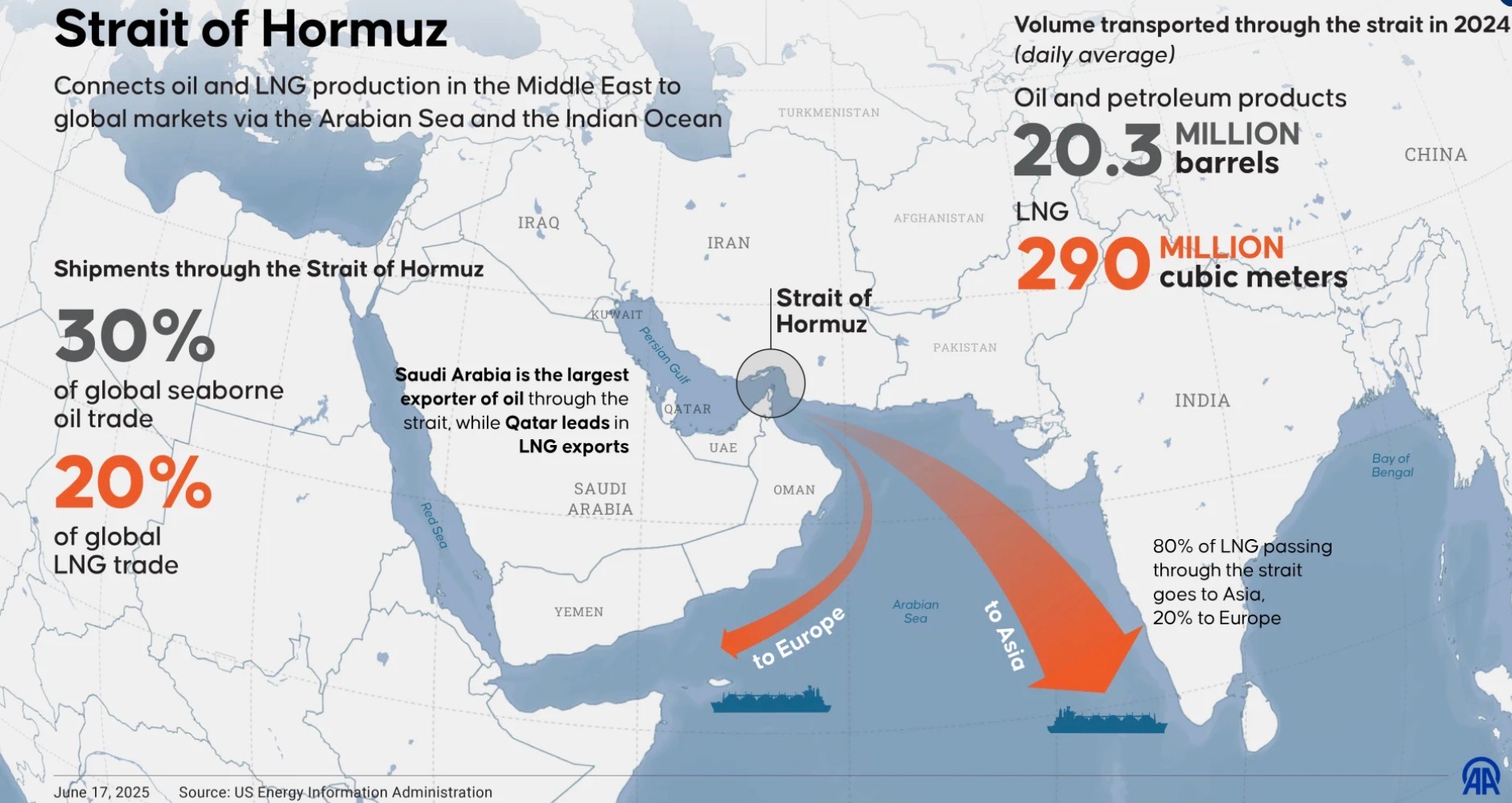
Besides terrorism, one of the main ways this war with Iran can do damage internationally is by disrupting the supply of oil and gas going through the Strait of Hormuz, which accounts for about 20% of worldwide consumption. Major shipping companies have suspended operations until they feel safer.
What about unforeseen economic and political consequences?
Take Taiwan as an example, as illustrated by this NYTimes analysis:
Taiwan imports more than 96 percent of its energy, most of it from the Middle East. About 60 percent of Taiwan’s oil — and about a third of its natural gas — arrives by ship from countries via the Strait of Hormuz.
Any shortage of energy supplies to Taiwan could endanger the global economy, which relies on the island’s manufacturing powerhouses for semiconductors used in smartphones, electric vehicles and artificial intelligence systems. A handful of factories in Taiwan make the vast majority of the world’s advanced computer chips, and they depend on a consistent supply of electricity.
How many of us thought about computer chips and the world economy when we learned about Mr. Trump’s illegal war? Not me.
Given that no one knows when this will end, could it tip economies around the world into recessions?
Oil vs. Us
My articulation of The Climate Movement’s vision, purpose, and Major Goal is that we are working to overcome climate change by creating a just and prosperous sustainability that enhances wellbeing for everyone and everything.
Oil is against all of that.
Just on climate pollution, one scholar notes that:
By supporting their political survival, fossil fuel wealth also creates incentives for autocrats to undermine efforts to reduce emissions. Leaders of authoritarian regimes rich in fossil fuels have consistently avoided, delayed, and outright opposed both national and international climate action.
Climate change is more than enough reason to kick our oil addiction. But there’s so much more. From the perspectives of justice, democracy, the rule of law, equality, and sustainability, oil is a toxic curse.
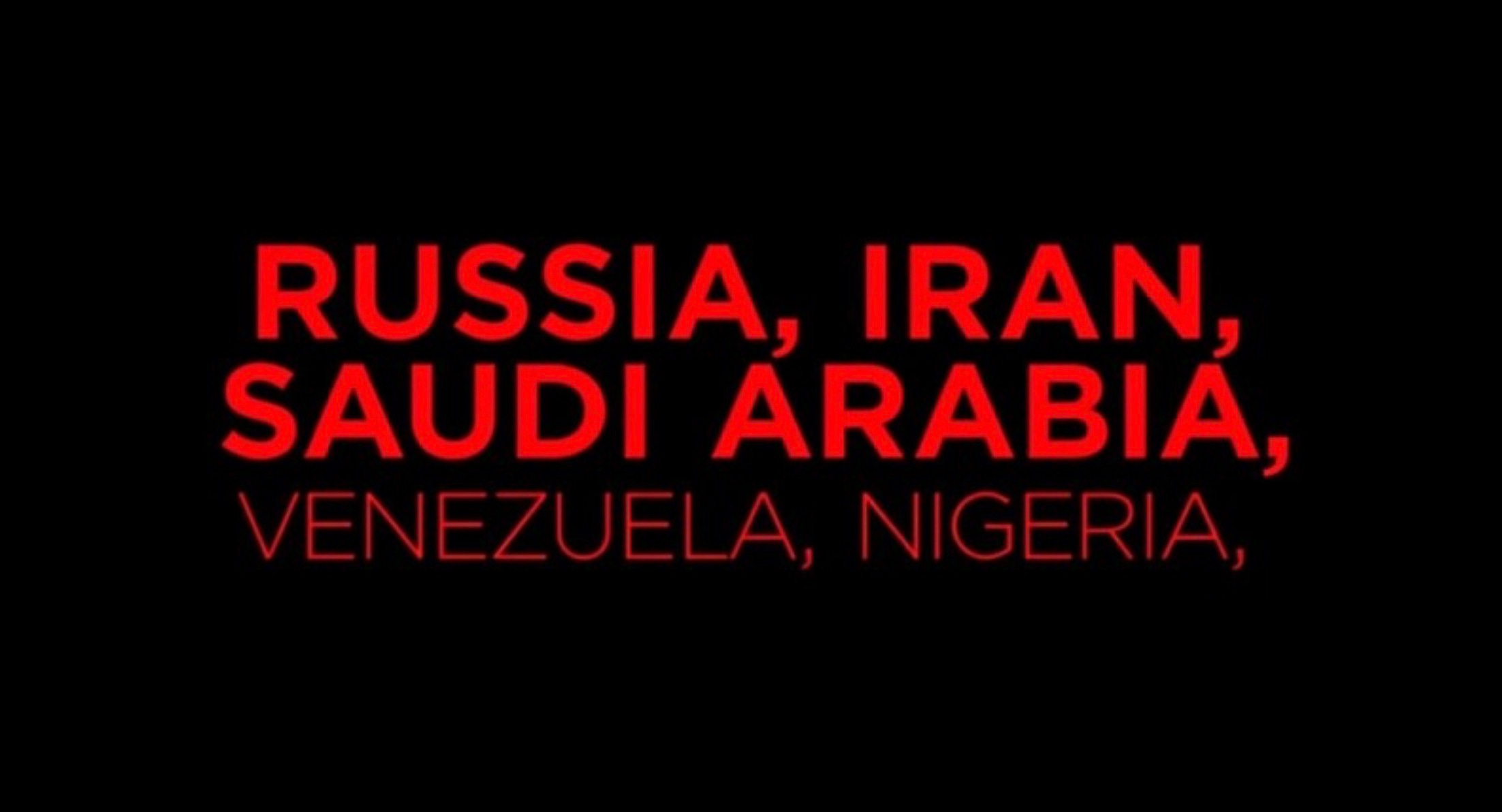
Oil props up dictators and repressive regimes, leads to civil wars and massive amounts of corruption around the world, and exacerbates both income and gender inequality.
It also leads to underdevelopment. Nigeria is a prime example. It is Africa’s #1 oil exporter. Sadly, that has only made things worse:
despite $583 billion generated from oil exports since independence (NEITI, 2023), its development level remains one of the lowest in the world (UNDP, 2023). The oil curse theory sets three main reasons for this phenomenon: oil revenues trapped the country in a vicious cycle of economic undiversification, inequality and corruption : all of these three ‘symptoms’ undermining its development.
Furthermore, multinational oil giants have more power than most countries and are part of the rampant corruption in low-income, oil-rich countries — not to mention its corrosive political impact in rich countries.
We’re A Great Cause of Freedom
Mr. Trump’s illegal war against Iran simply reminds us of all the ways oil is a toxic curse.
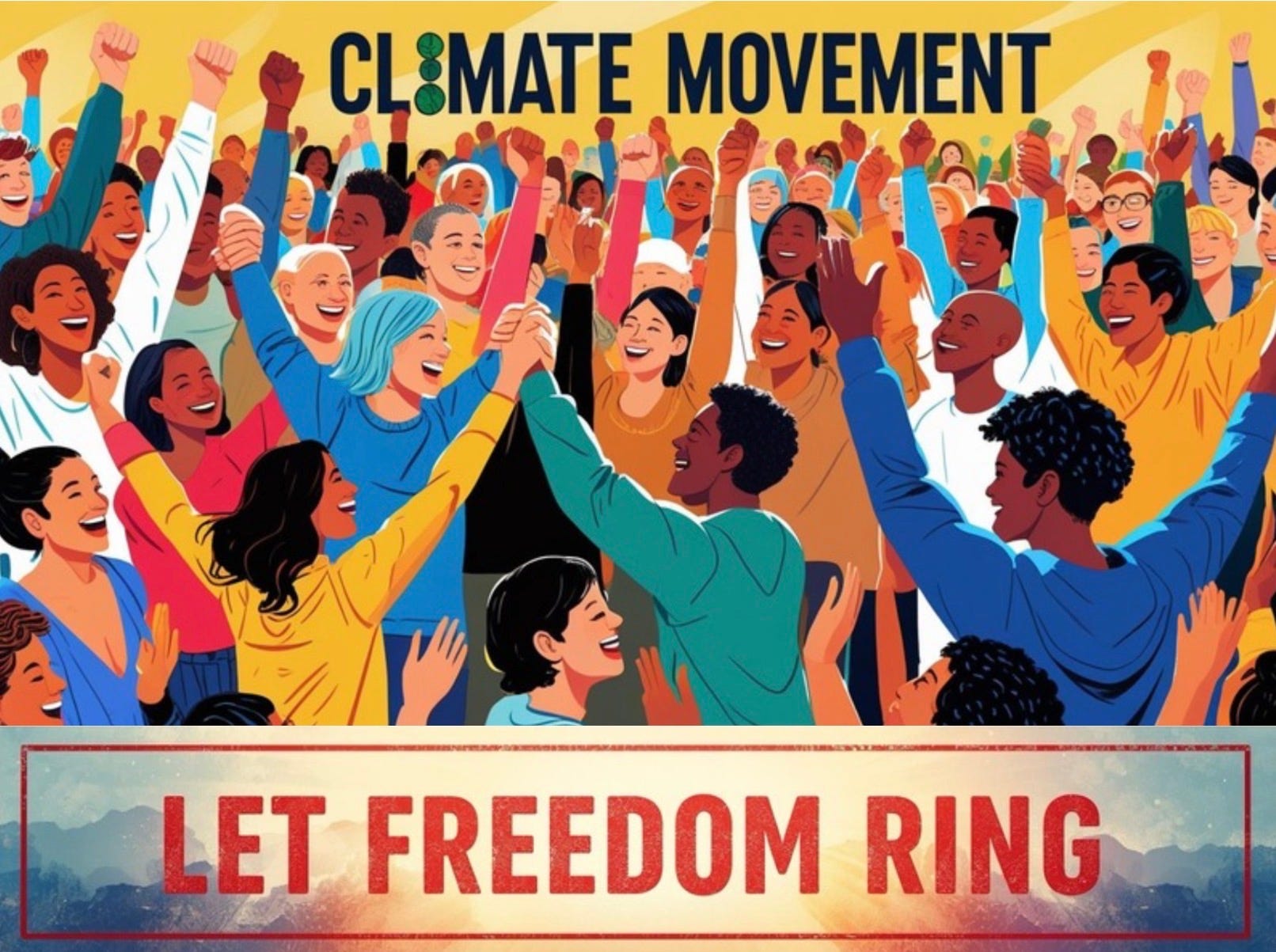
That’s why being a part of The Climate Movement, working together to end climate pollution and overcome climate change by creating a just and prosperous sustainability that enhances wellbeing for everyone and everything, is one of the greatest causes of freedom in human history.
To loosen the toxic grip of oil is to let freedom ring all over the world for every person and every creature that calls the Earth our home.
Join us!
If you are new here, check out our Intro Series. If you like this post, please “like,” comment, and share. And thanks for all you’re doing.